Ben Uri collection
Work by Fred Kormis
Biography
Sculptor Fred (né Fritz) Kormis was born to an Austrian-Jewish father and German-Jewish mother in Frankfurt, Germany in 1897. At the age of 14, he was apprenticed to the sculpture workshop of Johann Josef Belz (1873-1957). During the First World War, he was drafted into the Austrian army, and in 1915 was captured, wounded and imprisoned for five years in Siberia, an experience which profoundly shaped the rest of his life and career. After escaping in 1920, and procuring a Swiss passport in Vladivostok, he returned to Frankfurt, where he resumed his career, married, and held solo exhibitions in Berlin and Frankfurt. Following Hitler's rise to power in 1933, to escape Nazi persecution, he moved first to Holland, where he held solo exhibitions in Amsterdam and the Hague, made a snow sculpture for charity and taught refugee children. Six months later, in 1934, he moved to England, where he held his first solo exhibition the same year at the Bloomsbury Gallery in London and exhibited at Ben Uri Gallery in 1935. He also exhibited (once) with the progressive London Group in 1936 and participated in the important 1938 Exhibition of Twentieth Century German Art at the New Burlington Galleries in London, organised as a riposte to the Nazi so-called 'Degenerate Art' show mounted in Munich in 1937. He settled in St John's Wood, North London, an area so densely settled by German-speaking émigrés that it was known as 'Finchleystrasse'. During the war, much of Kormis' major work was lost after his studio was bombed in 1940 but he also earned a living as a leading portrait medallist and did war work for the potteries. In 1945 he had a solo show at William Ohly’s Berkeley Galleries, where he first exhibited a maquette for a Memorial for a war cemetery, declaring that ‘the post-war world need[ed] artistically significant monuments which serve[d] no immediate utilitarian purpose’. He gained British citizenship in 1947.
Kormis went on to have further solo shows at the Beaux Arts Gallery (1956) and exhibited frequently at Ben Uri (from 1935 onwards), serving as a member of Ben Uri's Arts Committee in 1967–68, and with the Society of Portrait Sculptors (including in 1954 and 1955). The critic Peter Stone (Jewish Chronicle, 25 June 1965) declared that Kormis was a 'natural sculptor who could do no wrong'. Memorial work was a major part of Kormis’ oeuvre, particularly, the five-piece 'Prisoners of War and Concentration Camp Victims Memorial' (1969) in Gladstone Park, Dollis Hill, and a relief plaque, 'Marchers' (1974), outside King's College, London. Latterly, he exhibited with the Fieldbourne Gallery in London, including in a joint exhibition with Maud Wethered (1975), and with Lord Methuen (1976), and had a solo show of Reliefs and Portrait Medallions (1982).
Fred Kormis died in London, England in 1986. A memorial exhibition of his work was held at the Sternberg Centre in 1988, and an important solo show at the Wiener Holocaust Library (2024). His work is represented in UK collections including the Ben Uri Collection, the Coins and Medals department of the British Museum, the Imperial War Museum, Leeds City Museum and Art Galleries, the Royal West of England Academy, and external locations including Nuffield College, Oxford, and Sheep Street, Stratford-upon-Avon, Warwickshire, as well as collections in Germany, Israel, Norway, the Netherlands and the USA. His archive is held in the Wiener Library, London.
Search Ben Uri archive for more information about Fred Kormis
Artist keywords
Ben Uri Arts Committee | Ben Uri member | Berkeley Galleries | Finchleystrasse | Hitler émigré | imprisonment | Jewish | New Burlington Galleries | sculptor | Siberia | Twentieth Century German Art
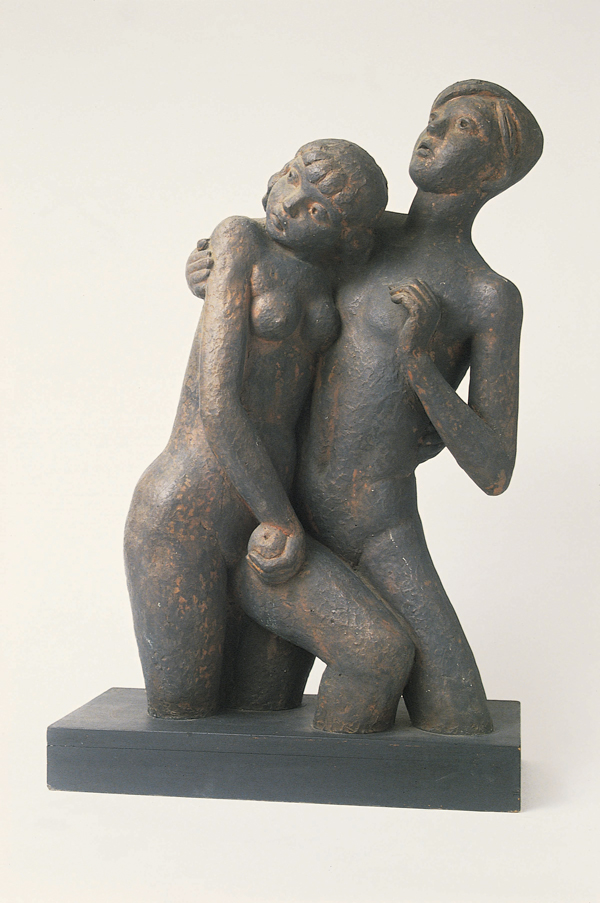
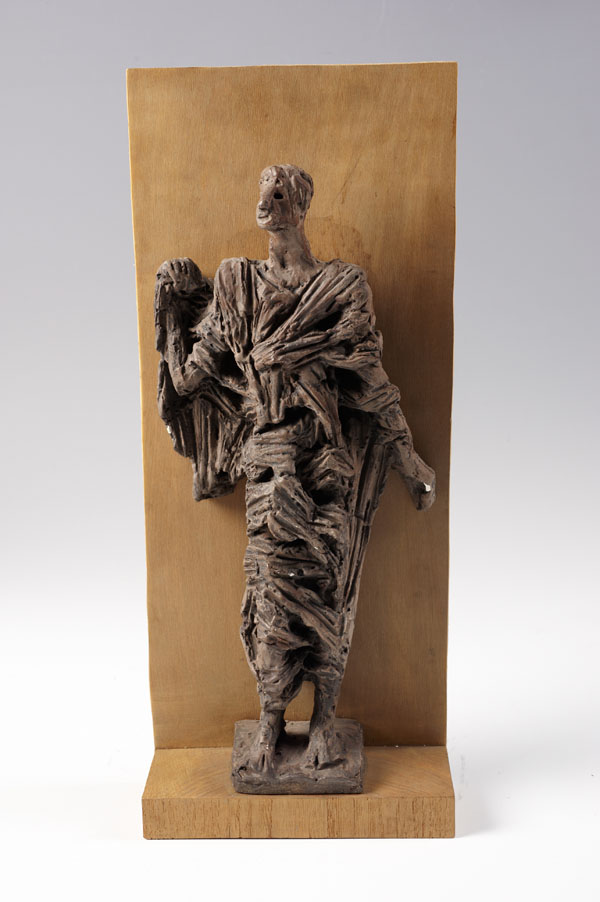
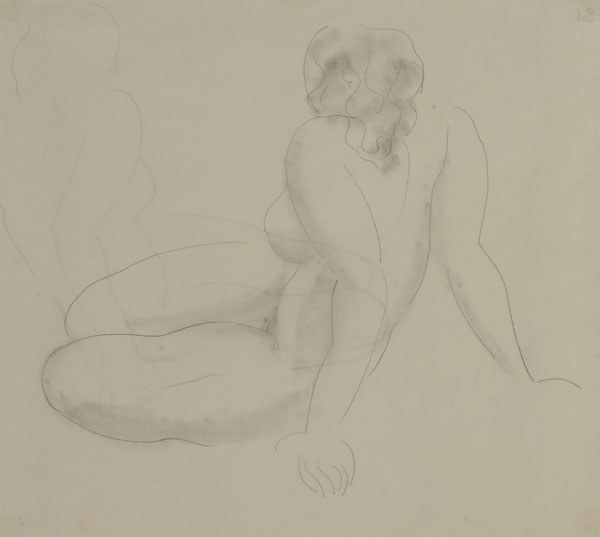
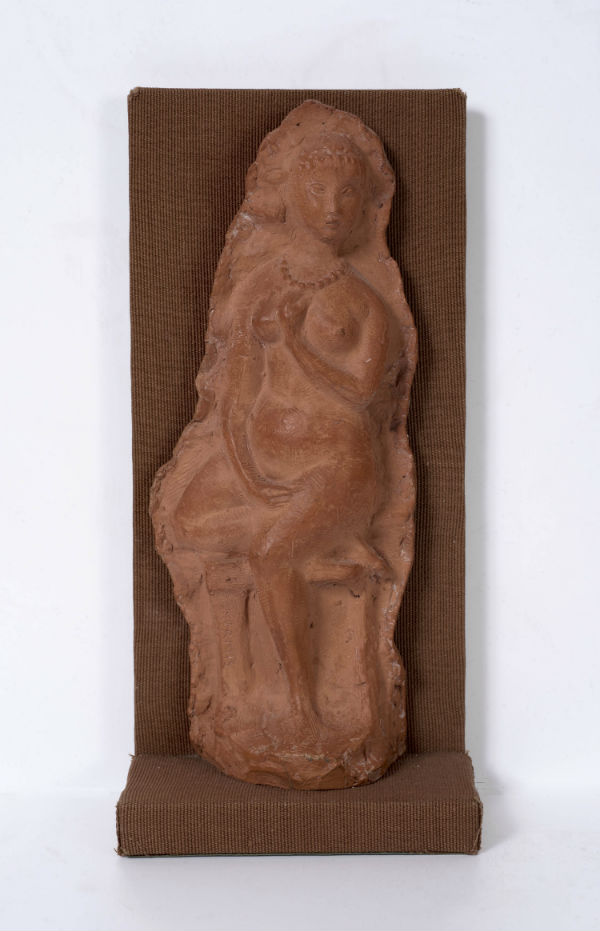
4 work/s by this artist from the collection are shown below. For a more detailed record and image please click on the link.